
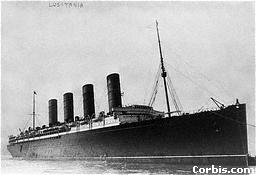


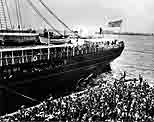

*Conditions still tough: poor sanitation and food,
dangers like fires, shipwrecks, disease (cholera and typhus)
- Many immigrants were 3rd class passengers (a.k.a. steerage passengers)
-immigrants paid about $30 for the passage
-conditions very crowded (especially with their luggage)
-passengers seldom allowed on the deck
-usually given soup or stew, sometimes bread, biscuits, or potatoes
-only salt water available for washing; rancid 'drinking water' stored in dirty casks
-sometimes considered 'human cargo'
-ships brought goods to Europe, returned with
immigrants
Arrival:
*Even after the tough voyage, immigrants were not guaranteed entry to America. About 250,000 people (2%) were sent back home. 1st and 2nd class passengers were inspected on the ship, but 3rd class passengers had to go to Ellis or Angel Island for screening, which meant:
-about 3-5 hours of waiting in line
-medical inspection
• check for diseases (especially Trachoma, a common eye infection)
• physical check-up
• mental testing (including math and puzzles)
-legal inspection
• documentation from original country
• marital, social, economic status questioned
• changed names such as Andrjuljawierjus to something simpler
• after 1917 Immigration Act; literacy test required

The letters were written in chalk on the immigrant's clothes to mark for further
examination.